In recent years, burnout has become a major mental health issue in Belgium. According to the latest data from the National Institute for Health and Disability Insurance (INAMI), the number of Belgians under 30 on long-term sick leave due to depression or burnout increased by 21.6% between 2022 and 2023. By the end of 2023, more than half a million Belgians had been off work for over a year, and nearly 38% of them were suffering from mental health disorders, mainly burnout or depression.
What explains this alarming rise? Among the most common causes are personal difficulties, excessive workload, imbalance between professional and personal life, and poor leadership quality. The work environment plays a decisive role: when expectations are unclear and communication is limited, employees can quickly feel overwhelmed. To move forward, organizations need to promote open dialogue and mutual support.
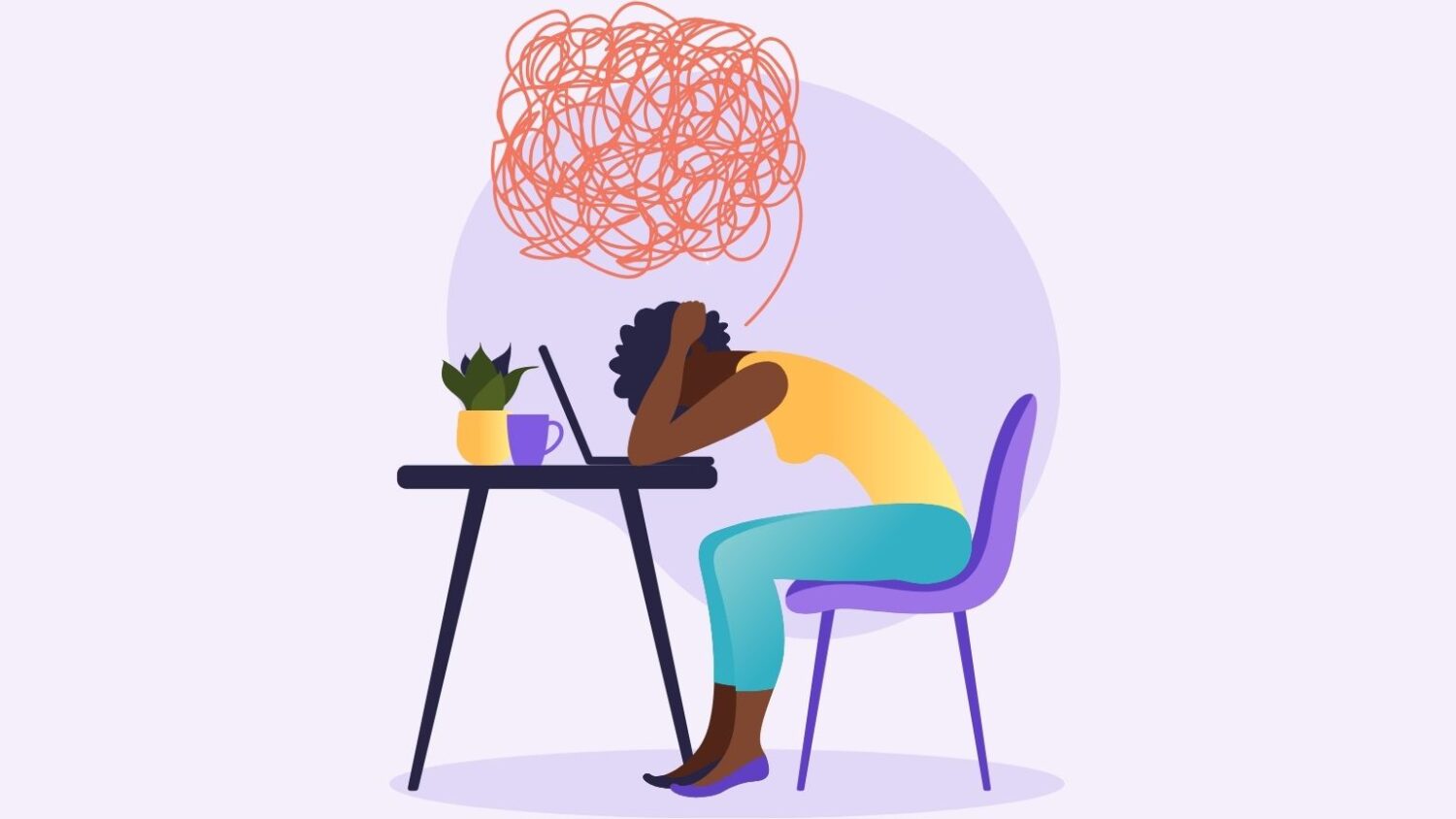
Burnout differs from stress or depression through deep exhaustion, a sense of emptiness, and loss of hope. While stress is often temporary, burnout sets in over time and mainly affects the professional sphere. An exhausted person may feel detached or cynical toward their job, even if other aspects of their life remain stable.
Burnout is not just an individual problem, it is also a societal and economic issue. If left untreated, it can lead to serious disorders, strain relationships, reduce productivity, and drive talented people to leave their jobs. For companies, this results in lower engagement, higher absenteeism, and increased turnover. On a national scale, the economic and human costs are considerable.
The Role of Employers
Prevention starts with listening, flexibility, and dialogue. Employers play a key role in protecting the mental health of their teams.
At Kreston-VDN, we place well-being and work-life balance at the heart of our corporate culture. We offer our employees great flexibility in managing their schedules, encourage open communication through bilateral evaluation meetings, and ensure that everyone can express themselves freely. We also invite our teams to take regular breaks and fully disconnect during their holidays.
We firmly believe that a healthy work environment, built on mutual trust and listening, is the best way to prevent burnout, and a happy team is the key to sustainable collective success.