
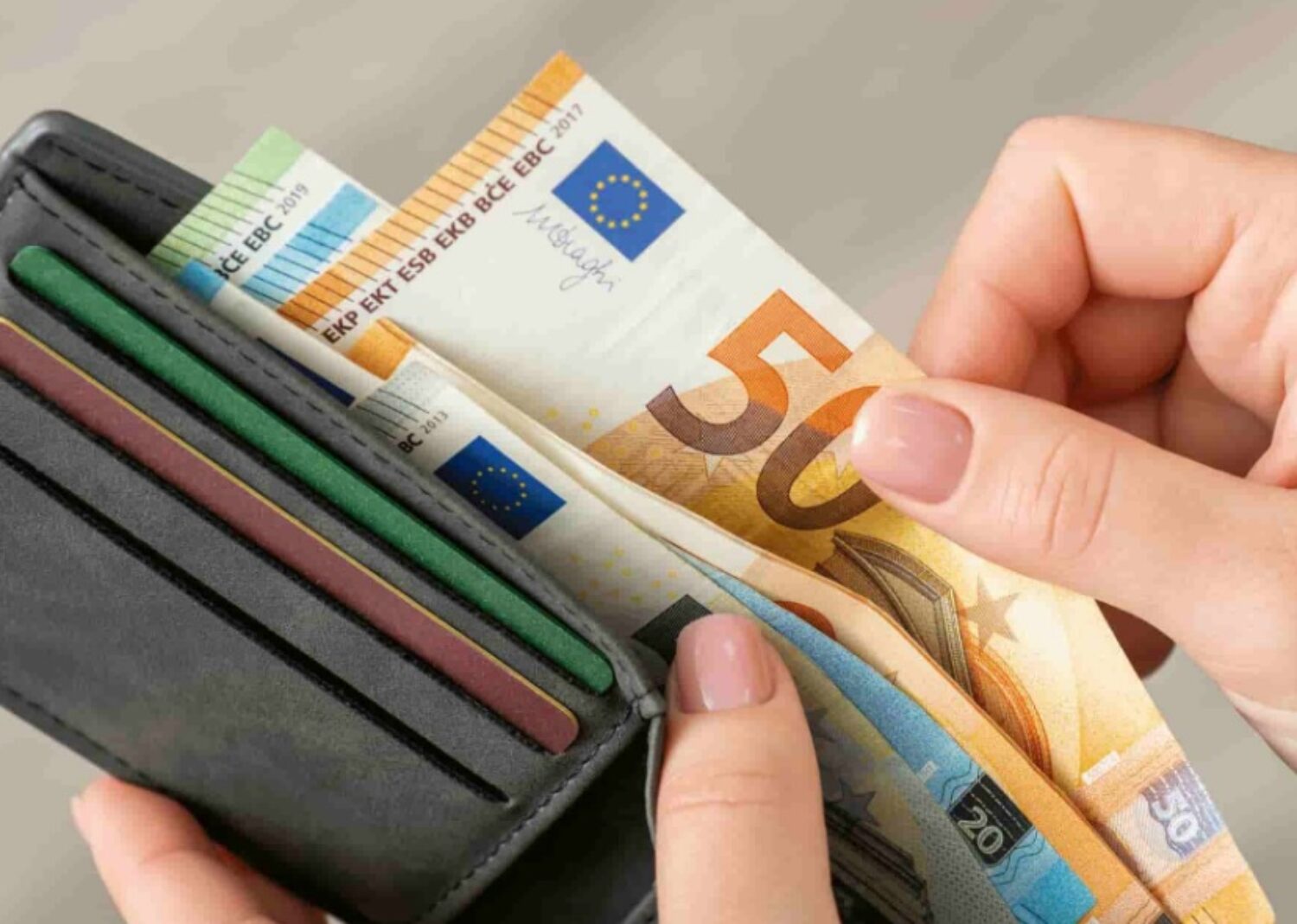
The use of cash payments in business transactions is subject to increasingly strict regulations in Belgium. This trend is part of a broader policy to combat tax fraud, money laundering, and the underground economy.
For the self-employed and SMEs, these rules require increased vigilance: cash payments remain permitted in certain cases, but their use is now heavily restricted and subject to traceability requirements.
A clear limit on cash payments
In business-to-business (B2B) transactions, cash payments are now strictly regulated.
The main rule is as follows:
cash payments may not exceed 3,000 euros, whether for a single invoice or for a set of invoices related to the same transaction.
This limit applies regardless of the form of cash payment used (bills or coins) and applies to all business transactions between companies, self-employed individuals, or service providers.
When the transaction amount exceeds this threshold, payment must be made via a traceable payment method, such as a bank transfer.
A growing demand for traceability
Beyond limiting cash payments, authorities place particular emphasis on the traceability of financial flows.
Payments made between businesses must clearly identify:
• the source of the funds;
• the identity of the payer and the payee;
• the nature of the transaction.
Electronic payment methods (bank transfers, electronic payments, or secure platforms) provide this traceability and are therefore preferred in business transactions.
In this context, excessive use of cash may attract attention during a tax audit, particularly if the transactions in question are not sufficiently documented.
Penalties for non-compliance
Failure to comply with the rules governing cash payments may result in various penalties.
When the legal limit is exceeded, an administrative fine may be imposed. This fine can amount to up to 10% of the cash amount paid in excess of the authorized threshold.
This penalty may be imposed on either party to the transaction, including both the payer and the payee.
Beyond the administrative fine, non-compliance with the rules may also constitute a risk indicator during a tax audit or an anti-money laundering investigation.
A precautionary measure for businesses
In practice, cash payments between businesses are becoming increasingly rare. The majority of business transactions are now conducted via electronic payment methods.
For the self-employed and SMEs, a few simple principles can help limit risks:
• systematically prioritize traceable payments;
• avoid cash payments for large amounts;
• maintain clear documentation of transactions.
These precautions not only ensure compliance with regulations but also enhance the company’s financial transparency.